Day 1
Get Into the Game
Your warm-up. Play Deadline Run, change one thing in it, and test what happened.
Game Lab Academy · Six-week guided course
Start with How to Make a Star. No Academy account needed. You'll need a paid Claude plan to follow along.
Already enrolled? Sign in
A six-week guided course for instructional designers. Build and publish your own playable learning game with Claude, with a coaching appointment each week.
Free intro to Claude Code
This is where Week 1 starts. You make a tiny glowing game by typing wishes to Claude, in the Code tab of the Claude desktop app. No experience needed, and you don't need an Academy account to open it. It takes about an hour.
Open How to Make a Star ↗The lesson is free to open. To follow along, you need the Claude desktop app with a paid Claude plan (Pro is enough). That plan is separate from Academy tuition.
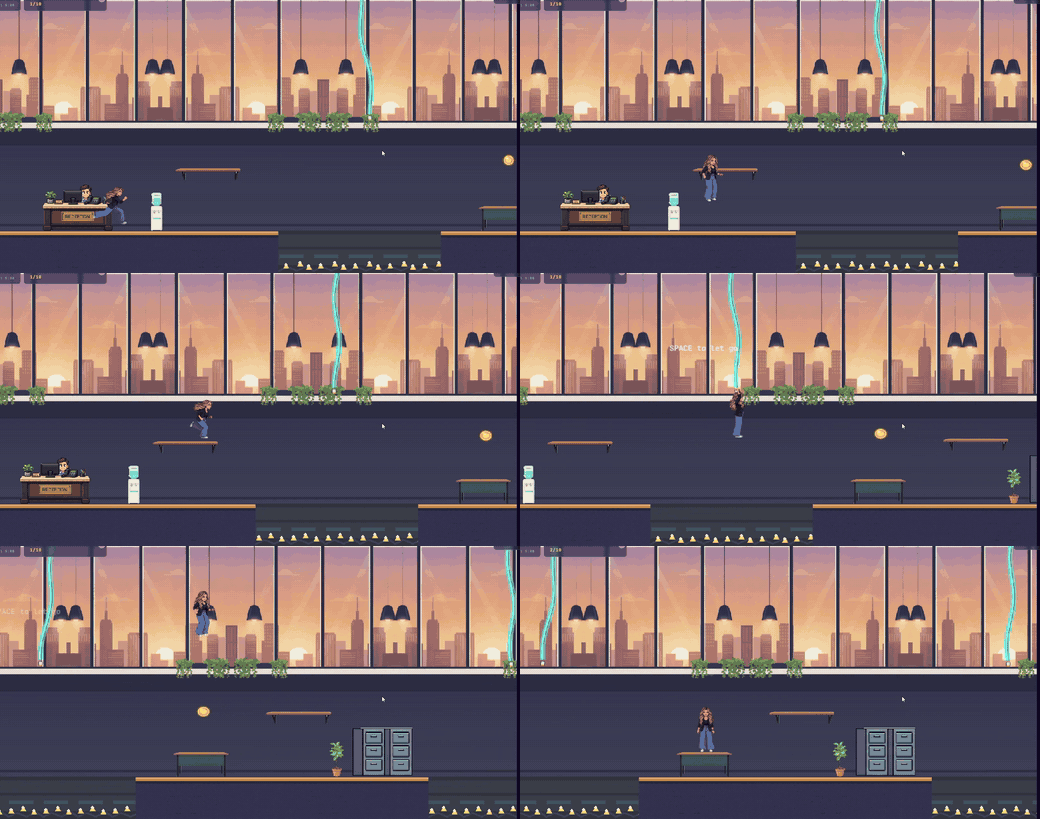
Real workshop gameplay. The replay is a free workshop, separate from Academy coaching.
Watch before you decide
In this public, 90-minute workshop replay, Rachel walks through a working learning game and the build process. It lets you see her teaching style and the kind of project you will examine in the Academy. It is evidence of the workshop, not a claim about Academy graduate results.
Watch the free workshop replay ↗The work
You play one warm-up game in Week 1. From Week 2 you build your own game with Claude, and every week after that makes it better.
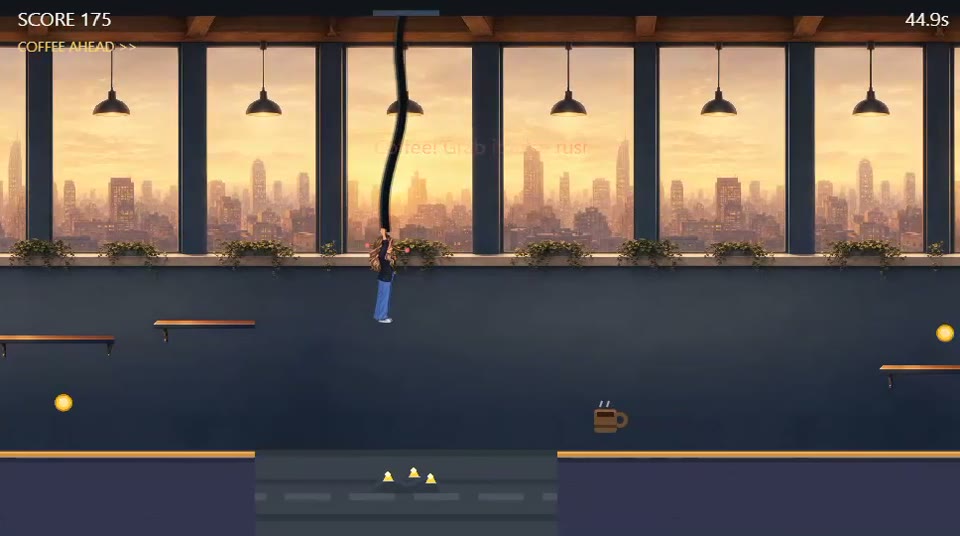
Week 1 warm-up
Play a short office game, see how it works, and change one thing in it. It's where you learn to change a working game with Claude.
Choose a real audience and learning problem. In week two you build your own game with Claude, and you can make it your capstone. Then you observe players, revise it, publish a link, and document your design choices. Rather finish a different web game? That works too. Bring it to a coaching call, and we check its scope together.
Your Academy
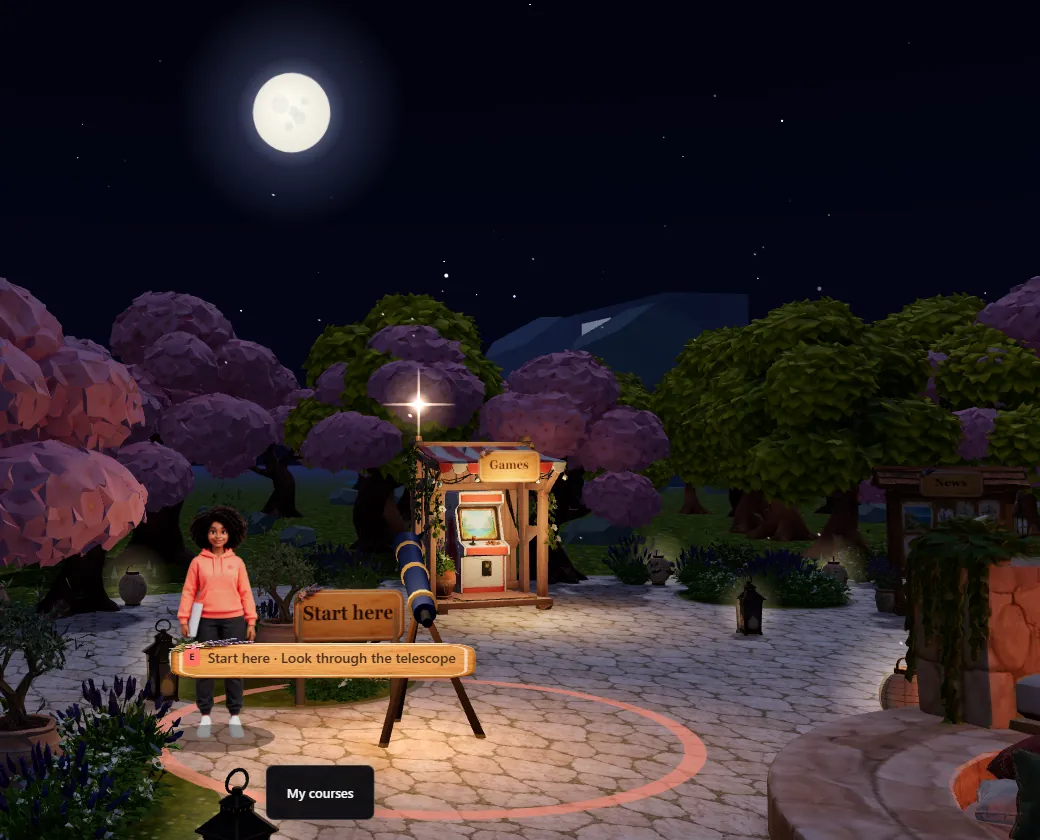
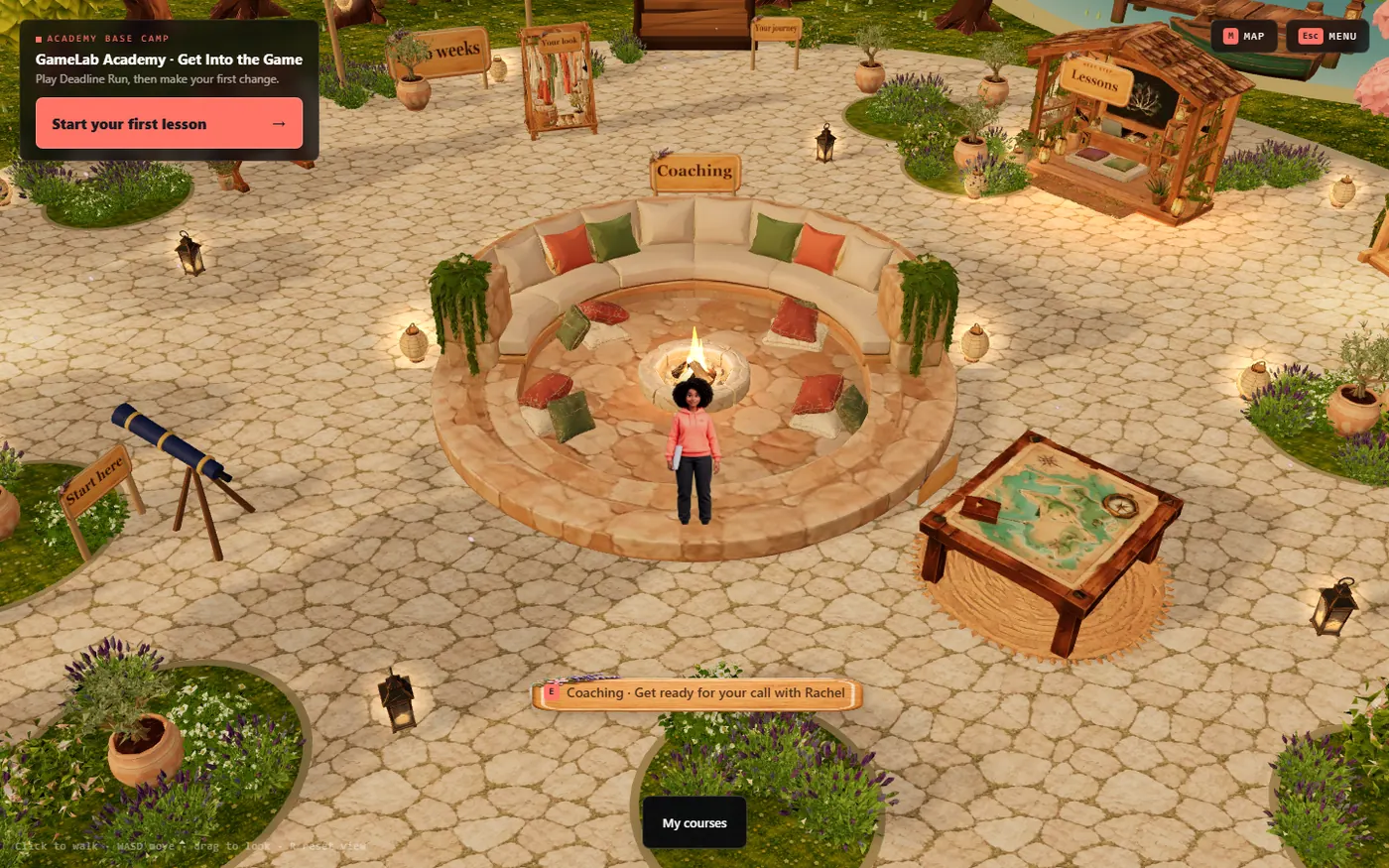
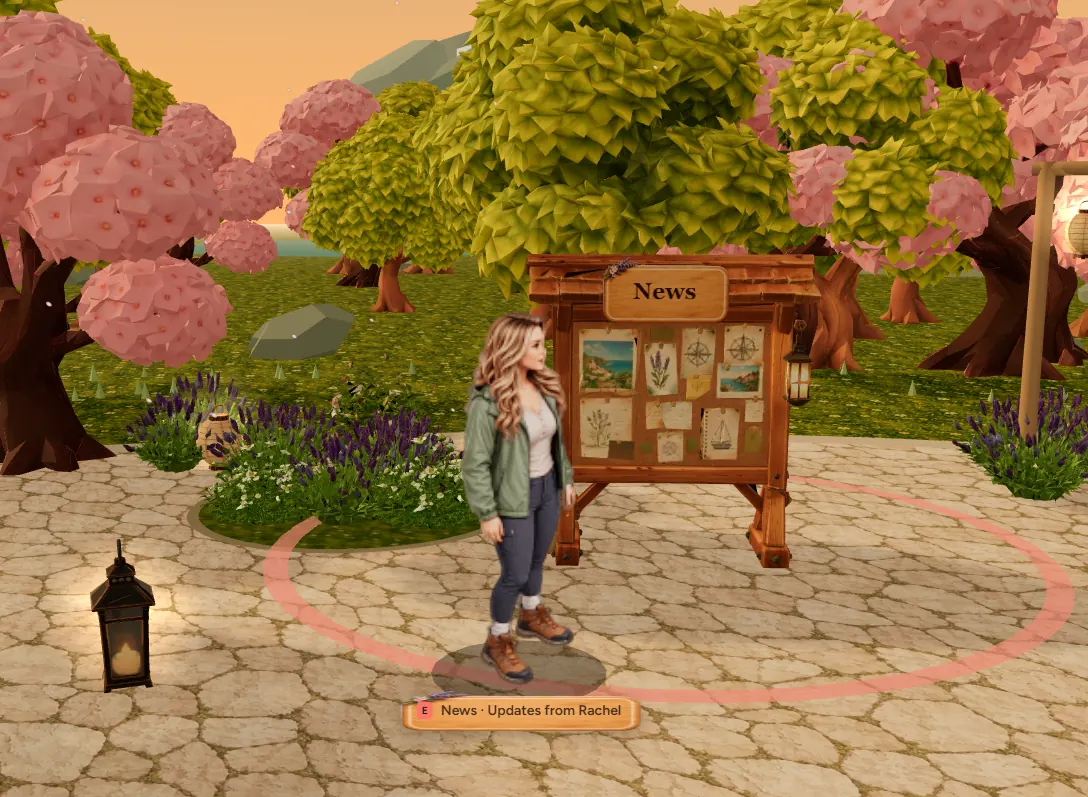
Camp is where your lessons, your coaching prep and your projects live. The first time you arrive, it's night. Make your first wish at the telescope, and the sun comes up.
How the six weeks work
The course has guided lessons, a build milestone each week, and six 30-minute coaching appointments with Rachel, one per course week. Bring the decision, design question, or bug that matters to your project. There is no required group class or fixed class time.
EMMA is the repeatable working method: Explore, Model, Modify, Actualize. You use it to inspect what exists, plan a change, make it, and check the result.
A clear path
Each week has a guided practice. From week two, it moves your own game forward. Your weeks count from the day you join. They mark course weeks, not group meeting times.
Your warm-up. Play Deadline Run, change one thing in it, and test what happened.
Define your audience and learning goal, then build your own game with Claude. It can become your capstone.
Turn real mistakes from your job into your game's cases, make its feedback teach, and test it with a real player.
Improve visual clarity and feedback, compare a before and after, and observe a player.
Make your game teach with choices that tempt, calls that carry forward, and an ending that sticks.
Test and revise your capstone, publish its playable link, and write the case study.
Who this is for
You should be comfortable giving feedback on learning work and willing to test what an AI coding agent produces. Bring a real topic or learning problem by week two. The Academy is new, so the workshop replay shows Rachel's teaching, not a previous Academy class.
Before you enroll
Yes. It's a learning-game course, and AI is how you build it. You use Claude Code, Anthropic's AI tool, to build your own playable learning game. You describe what you want in plain words. Claude builds it. Then you test what it made. You don't need to know how to code first, but you do need a paid Claude plan (Pro is enough). It costs extra, on top of the $500 tuition. If you'd like to see how it feels before you enroll, you can start with Rachel's free first lesson. It needs that same paid Claude plan.
No. In Week 1 you play and change one warm-up game. In Week 2 you choose an audience and learning problem, and build your own game with Claude. You can make that game your capstone. A different web game works too. Bring it to a coaching call, and we check its scope together.
No. You work through guided material and book one 30-minute appointment in each of the six course weeks. There is no required group meeting, and coaching-call recordings are not part of the offer.
Give at least 24 hours' notice and choose another available time in the same course week. One courtesy rebooking is available during the course for a late cancellation or missed call, subject to availability. After that, a late cancellation or missed call uses that week's appointment. If Rachel cancels, she reschedules it without using your courtesy. Earlier unused appointments do not accumulate. A week-six appointment can move up to seven days after the course ends by advance agreement.
Game examples, short introductions, and written setup and editing guides are available. Additional task recordings are still being completed. Your six one-on-one coaching appointments are part of the course offer.
Course tuition
Six guided weeks, your own game, a capstone and case study, and six 30-minute coaching appointments.
Tell Rachel what you want to build. She will reply personally about whether the six weeks fit your project.
Reserve your place
One payment
Enroll for $500Already enrolled? Sign in
Talk to Rachel first · free 20-minute fit call ↗Secure checkout is handled by Stripe. Please check that your computer can install the course tools before you enroll. Course policies
Start with a working game. Then build your own, test it, and publish it with personal guidance each week.
See tuition and enroll